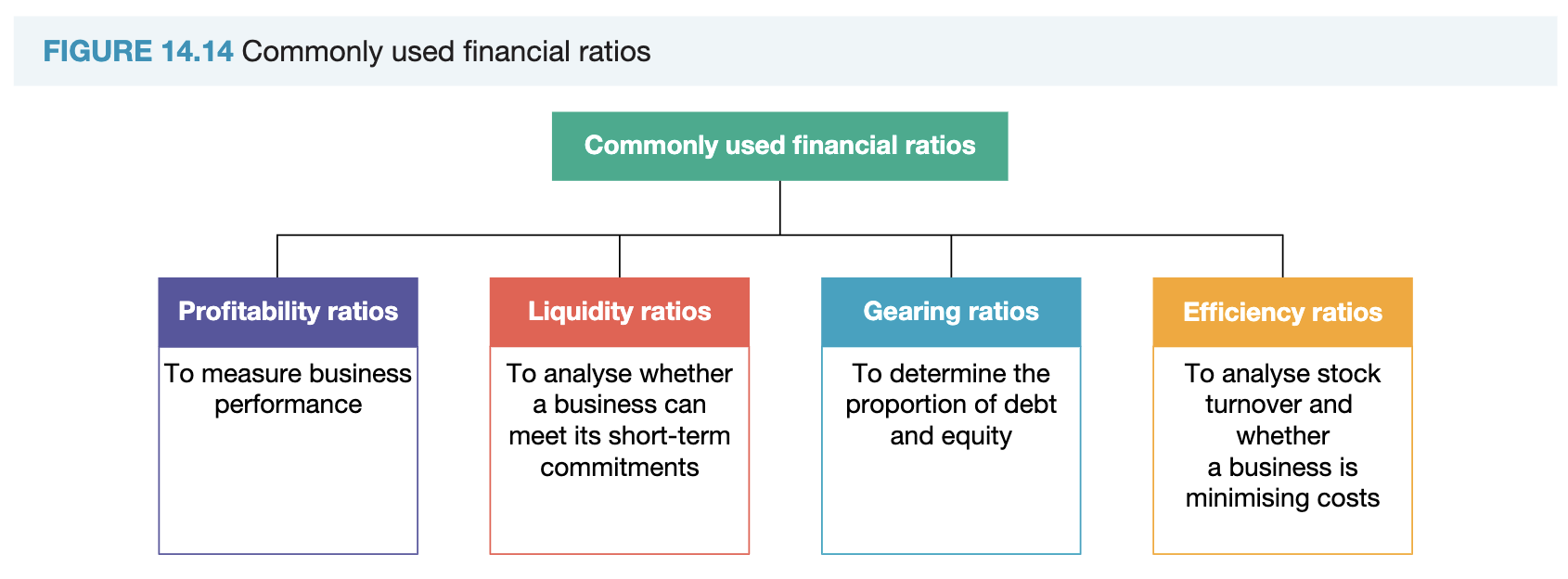
Liquidity
- Liquidity is indicated by Current ratio (working capital)
The current ratio
- The current ratio measures :: a business’s ability to pay back its current liabilities with its current assets.
- Shows the short-term financial stability

Gearing (inverse solvency)
- Gearing ratios inversely determine the firm’s solvency
The debt to equity ratio
?
- The Debt to equity ratio shows the extent to which the firm is relying on debt or outside sources to finance the business.
- (higher gearing = less solvent)

Profitability
- indicates a businesses capacity to use its resources to maximise profits.
- Three profitability ratios are the:
- gross profit ratio
- net profit ratio
- return on equity ratio
gross profit ratio
?
- Shows the percentage of sales revenue that results in gross profit
- i.e. the portion of money from sales that is left after COGS
- (higher = better)

net profit ratio
?
- i.e. the portion of money left after COGS and general expenses

return on equity ratio
?
- shows how effective the funds contributed by the owners have been in generating a profit or a return on investment.
- Comparisons should only be made between businesses within the same industry

Efficiency
- Efficiency refers to the ability of a business to use its resources effectively in ensuring financial stability and profitability of the business.
- Two efficiency ratios are the:
? - Expense ratio
- Accounts receivable ratio
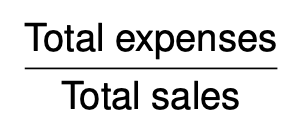
Expense ratio
?
- The expense ratio indicates the amount of sales that are allocated to individual expenses.
Accounts receivable (turnover) ratio
?
- The accounts receivable turnover ratio measures the effectiveness of a business’ credit policy and how efficiently it collects its debts.
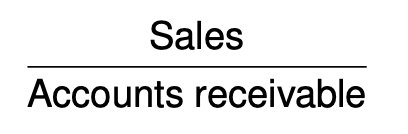
- how many times A/R is collected per year (higher better) ( 12 is ideal)
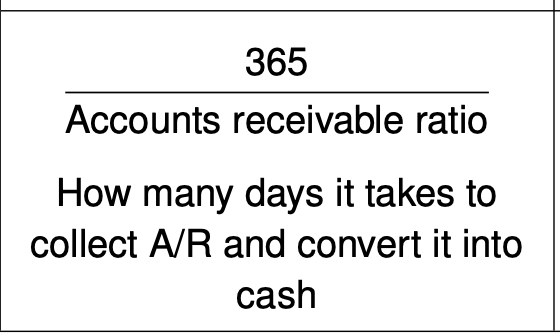
- 365 / (how many times A/R is collected per year)
- shows the average days taken to collect A/R
- (lower better) ( 30 days is ideal)
comparative ratio analysis
?
- For analysis to be meaningful, comparisons and benchmarks are needed.
- financial ratios are compared to other similar businesses in the market